The Art of Conscious Response
8/18/20252 min read
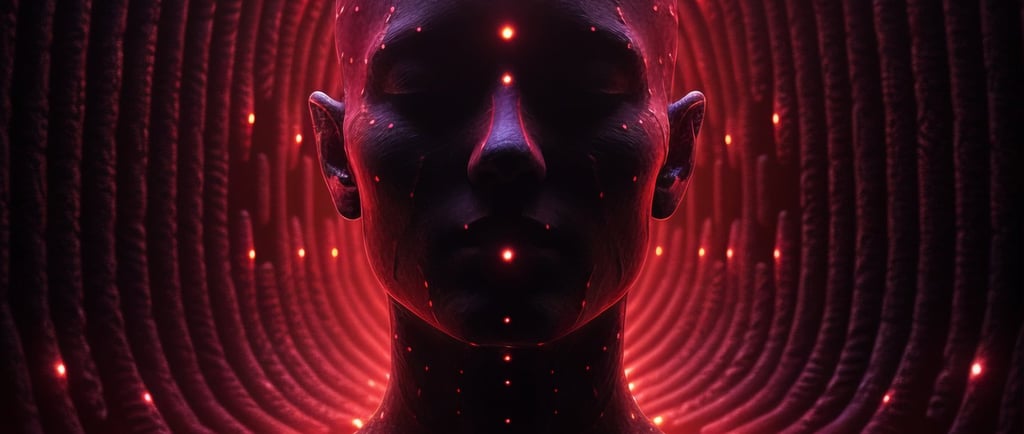
Between stimulus and response lies a space - tiny but infinite in its potential. In that microsecond of awareness, we have the power to choose our reaction rather than being driven by unconscious patterns. This is perhaps one of the most transformative skills we can develop in our relationships and our lives.
My poetry often returns to this theme of conscious choice: "Between your question and my answer, / I take a breath. / Between my impulse and my action, / I create space." This pause, barely perceptible to others but revolutionary in its impact, changes everything about how we engage with the world.
Most of our reactions are automatic, programmed by past experiences, childhood conditioning, and unconscious beliefs. Someone speaks to us in a certain tone, and instantly, we're triggered into defensiveness. A situation doesn't unfold as expected, and immediately, we're flooded with anxiety or frustration. These responses happen so quickly that we often don't realize we have any choice in the matter.
But with practice, we can learn to catch that split second before reaction takes over. In that space, we can ask ourselves: Is this response going to serve the situation? Is this reaction coming from my present adult self or from an old wound? What would love do here? What would wisdom choose?
This doesn't mean suppressing our authentic responses or pretending to feel something we don't. Rather, it means becoming conscious participants in our own emotional processes instead of passive victims of our conditioning. We can feel anger and choose not to lash out. We can experience fear and choose not to flee. We can feel hurt and choose to communicate it constructively rather than defensively.
I've found this practice particularly transformative in intimate relationships, where our deepest triggers tend to live. There's something about the people closest to us that can bypass our usual social filters and activate our most primitive responses. They know exactly which buttons to push - often without meaning to- because they've seen us at our most vulnerable.
In these moments, the pause becomes sacred. Instead of immediately defending, explaining, or counter-attacking, I've learned to breathe. In that breath, I can choose to respond from my values rather than my wounds. I can remember that the person I love is not actually my enemy, even when they've said something that hurt.
One poem explores this shift: "This microscopic moment of awareness/changes everything." It really does. The quality of our relationships, the trajectory of our conflicts, the depth of our connections - all of it can transform when we stop being prisoners of our automatic reactions.
The practice requires patience with ourselves as we develop this new capacity. Old patterns are deeply grooved; new responses need time to become natural. We'll still react unconsciously sometimes, but gradually, the space between stimulus and response widens. We catch ourselves sooner, recover more quickly, and choose more wisely.
This conscious responding extends beyond relationships to every area of life. We can pause before making impulsive purchases, take a breath before sending that angry email, and create space before making major decisions from a place of anxiety or excitement.