The Myth of Permanent Happiness
12/27/20252 min read

We've been sold a dangerous myth - that happiness should be our default state, that anything less indicates failure, and that the goal of personal growth is to achieve some kind of permanent contentment. This pursuit of perpetual positivity not only sets us up for disappointment but also disconnects us from the full spectrum of human experience.
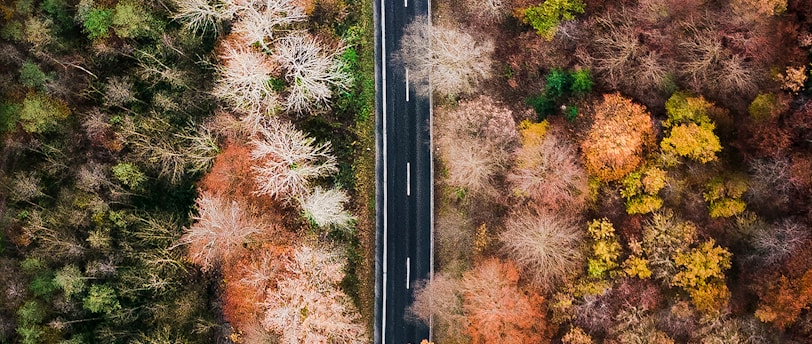
In my poetry, I acknowledge life's natural rhythms: "Nothing in nature blooms year-round, and neither should we expect ourselves to." There are necessary fallow periods, times of apparent dormancy that are actually preparing the soil for new growth. Our culture's obsession with constant happiness denies these natural cycles.
I spent years believing that if I just did enough therapy, meditation, and self-improvement work, I could eventually arrive at a place where I felt consistently happy and peaceful. Each episode of sadness, anxiety, or frustration felt like evidence that I was doing something wrong, that I hadn't healed enough, that I was failing at the basic task of being human.
This belief created a secondary layer of suffering on top of whatever I was already experiencing. Not only was I sad, but I was also disappointed in myself for being sad. Not only was I anxious, but I was also frustrated with my anxiety. I was essentially at war with my own emotional reality.
The liberation came when I began to understand that difficult emotions aren't bugs in the system - they're features. Sadness connects us to what we value and have lost. Anger alerts us to boundary violations and injustices. Fear prepares us for potential threats. Even anxiety, uncomfortable as it is, often arises from our deep care about outcomes.
This doesn't mean romanticizing suffering or seeking out pain. Rather, it means developing a more mature relationship with the inevitable difficulties of human existence. Instead of seeing challenging emotions as problems to be solved, we can learn to see them as information to be received.
One poem captures this acceptance: "There are necessary fallow periods, times of apparent dormancy that are actually preparing the soil for new growth." Just as gardens need winter to regenerate, our psyches need periods of rest, reflection, and even struggle to develop resilience and depth.
When we accept the temporary nature of all emotional states, both pleasant and unpleasant, we can relax into the current experience without the additional pressure of making it permanent or immediately different. Happiness becomes more precious because we know it won't last forever. Sadness becomes more bearable because we trust it will eventually shift.
This perspective transforms our approach to personal growth. Instead of trying to eliminate all discomfort, we can focus on building our capacity to be present with whatever arises. Instead of chasing peak experiences, we can learn to find meaning and beauty in ordinary moments.
The goal isn't to become emotionally numb or pessimistic. Rather, it's to develop what I call emotional flexibility - the ability to move fluidly between different states without getting stuck in any one of them. We can feel joy without grasping at it, experience sorrow without drowning in it, acknowledge fear without being paralyzed by it.
This broader emotional range actually makes life richer, not poorer. When we stop demanding that life be consistently pleasant, we can appreciate its full complexity. We can find beauty in melancholy, wisdom in difficulty, and connection in our shared vulnerability.